How CN Rail’s Community Greening Grants Are Transforming Urban Spaces in Canada

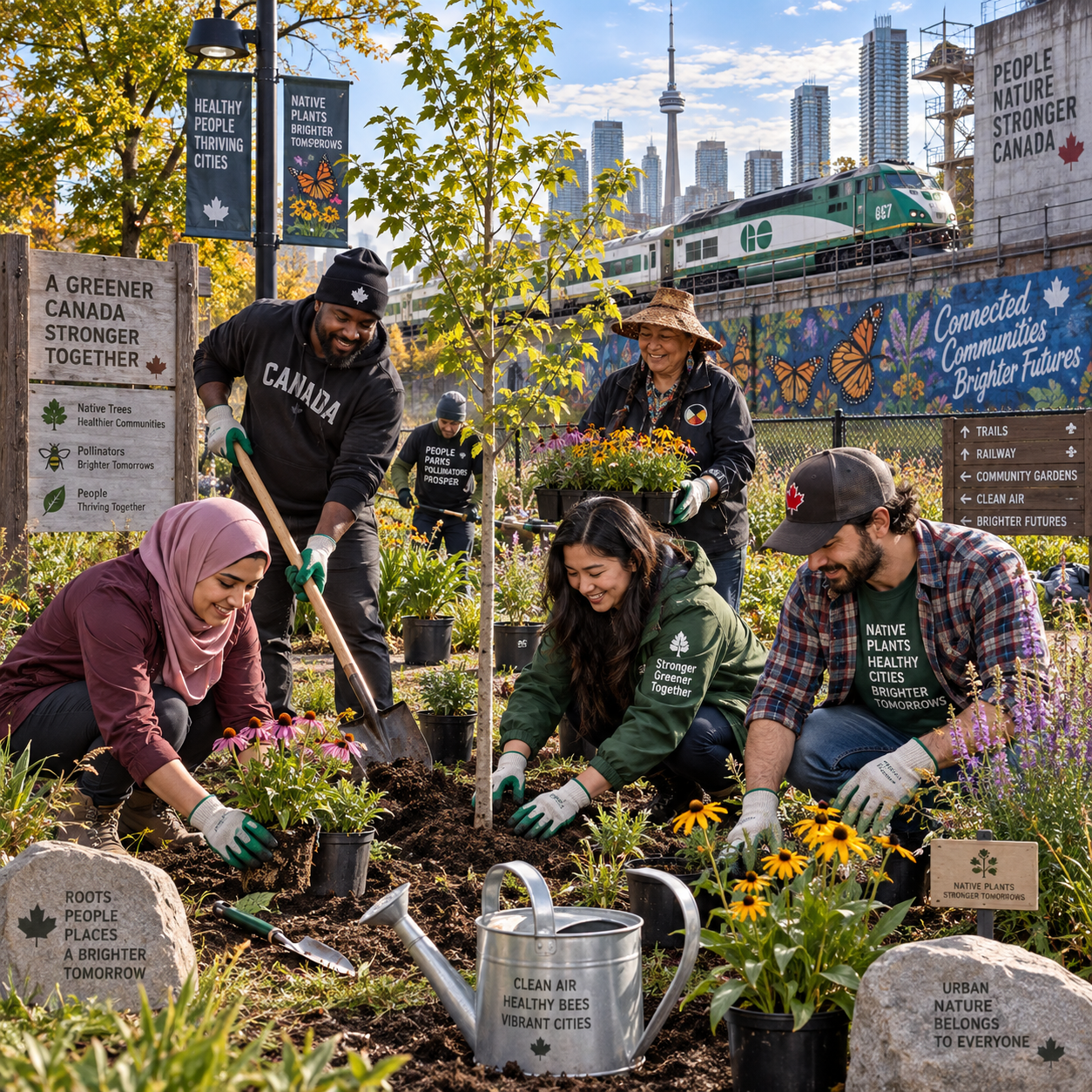
Urban spaces shape how Canadians live, travel, gather, and connect with nature. A vacant lot can become a community garden, a bare park edge can support pollinators, and a row of newly planted trees can make a busy neighborhood more comfortable. CN Rail’s community greening grants contribute to this kind of community-led environmental improvement by helping organizations turn local ideas into visible projects.
The program sits within a broader movement toward urban greening and environmental sustainability in Canada. While grant funding does not solve every challenge facing cities, it can give residents, schools, nonprofits, and municipalities the resources to improve parks and public spaces in practical, locally meaningful ways.
What Are CN Rail’s Community Greening Grants?
CN Rail’s community greening grants are a potential source of support for community organizations pursuing environmental projects that improve shared spaces and strengthen local connections to nature. Current program details, eligibility rules, deadlines, and funding conditions should always be confirmed through official CN Rail materials.
At their core, community greening grants connect corporate community investment with on-the-ground environmental action. Rather than treating sustainability as an abstract goal, these initiatives can help fund activities people see and use: planting trees, restoring habitat, creating pollinator gardens, and improving neglected public areas.
The strongest projects usually combine three features:
- A clear local need, such as limited shade, degraded habitat, or an underused public space.
- Community participation, including residents, volunteers, students, or local partners.
- A maintenance plan that explains who will water, weed, monitor, and care for the site after installation.
Applicants should distinguish between what the official program confirms and what is generally considered a suitable greening approach. A project may be environmentally valuable yet still fall outside a specific grant’s geographic, organizational, or thematic requirements.
Why Urban Greening Matters in Canadian Communities
Urban greening matters because trees, gardens, restored habitats, and accessible parks can support biodiversity while making neighborhoods healthier and more welcoming. These benefits are especially valuable where paved surfaces, traffic, and limited access to nature shape daily life.
Native plants provide food and shelter for insects, birds, and other wildlife adapted to local conditions. Pollinator gardens can offer nectar and nesting resources, while diverse plantings may be more resilient than a landscape dominated by a single ornamental species. Tree planting can add shade, improve the character of streets and parks, and create more comfortable places for walking and gathering.
Greener spaces also have a social function. A community garden can bring together people who might otherwise never meet. A school planting project can turn environmental education into a hands-on experience. A restored park corner can encourage residents to spend more time outdoors.
These outcomes should be described carefully. A small garden will not reverse regional biodiversity loss, and a handful of trees will not eliminate urban heat. However, local projects can form part of a wider network of habitats and public spaces. Guidance from resources such as Nature Canada can help groups understand the broader value of protecting nature in Canadian communities.
Types of Projects Community Grants Can Support
Community greening grants may support projects such as tree planting, native plant gardens, habitat improvements, park enhancements, and community gardens, depending on the current program guidelines. Organizations should treat these as possible project categories rather than guaranteed eligible activities.
Tree planting and shade projects
Groups might propose planting native or climate-appropriate trees along a park boundary, around a community facility, or in a public gathering area. A credible proposal should address species selection, soil conditions, watering, underground utilities, accessibility, and replacement plans for trees that do not survive.
Native plants and pollinator gardens
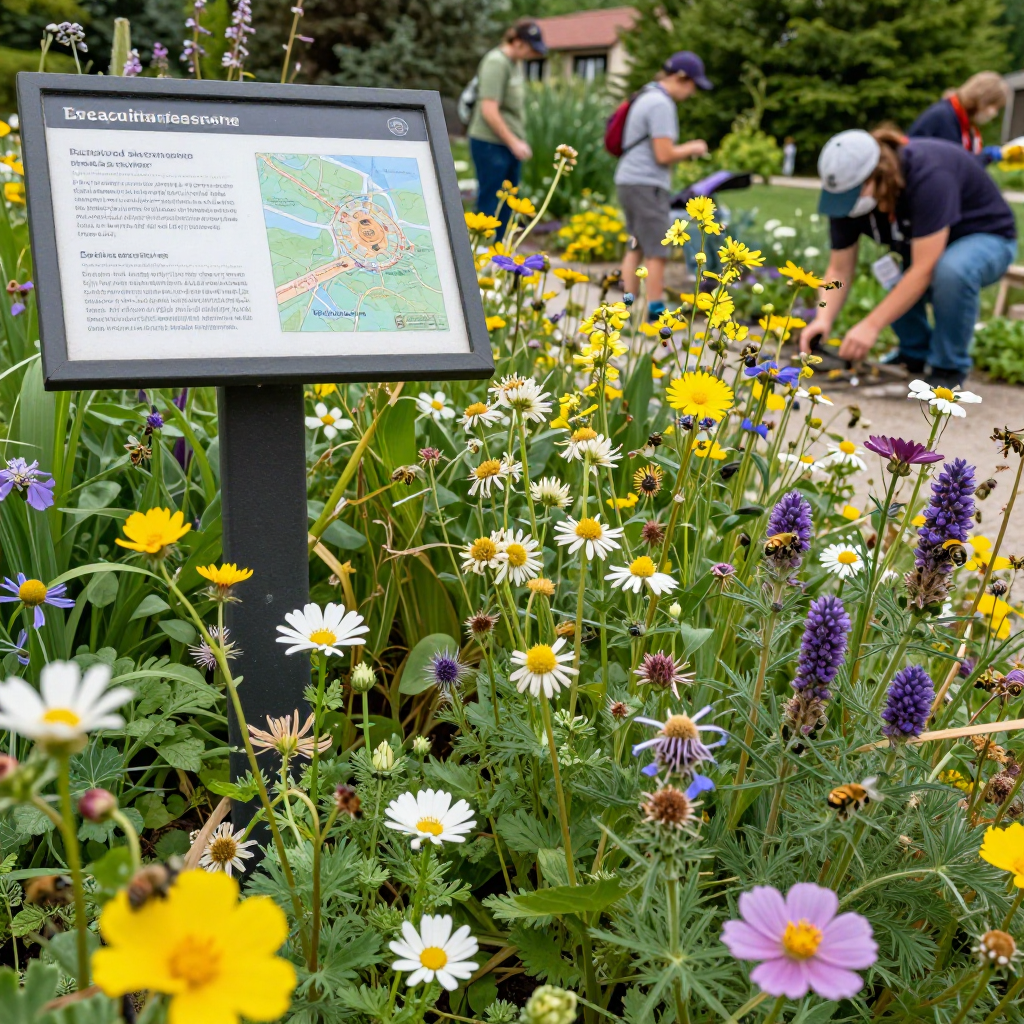
Pollinator gardens can transform small spaces into valuable habitat. Projects may include native flowering plants, interpretive signs, paths, and features such as shallow water sources or overwintering areas. Plant diversity matters: a garden designed for different bloom periods can support pollinators across more of the growing season.
Habitat restoration and park enhancements
Potential initiatives include restoring a degraded planting bed, naturalizing an edge of a park, removing invasive vegetation, or adding shade and seating near a public pathway. Improvements should preserve safe access and consider the needs of seniors, children, and people with disabilities.
Community gardens and learning spaces
Community gardens can combine food production, environmental education, and social connection. Successful plans usually identify water access, plot allocation, tool storage, soil safety, shared rules, and a responsible group for seasonal coordination.
How Greening Projects Transform Urban Spaces
Greening projects transform urban spaces by changing how a place functions, looks, and feels while giving residents a direct role in environmental stewardship. The most effective projects connect physical improvements with ongoing public use and care.
Transformation often begins with visibility. A previously overlooked area becomes a recognizable destination because it has trees, flowers, seating, signage, or a defined activity. That change can encourage more people to visit, volunteer, or take responsibility for the site.
Environmental improvements can also be layered. A tree canopy may provide shade; native understory plants can support biodiversity; permeable soil can help water enter the ground; and a community event can build awareness. Each element has limits, but together they create a stronger result than a purely decorative installation.
There is a place-making benefit as well. Residents often support projects more strongly when they can see their own priorities reflected in the design. A neighborhood may value a quiet habitat garden, while another may need a shaded gathering area or accessible food-growing space. Community consultation helps prevent attractive projects from becoming disconnected from daily needs.
Who Can Benefit and Participate?
Nonprofits, schools, municipalities, volunteer groups, and residents may all play meaningful roles in a community greening initiative, although formal applicant eligibility depends on the current CN Rail program requirements. Participation can extend beyond the organization that submits the proposal.
- Nonprofits and community organizations can lead planning, apply for funding, coordinate volunteers, and manage reporting.
- Schools can contribute land, student learning, teachers, and family engagement.
- Municipalities and parks departments can help with permissions, technical advice, site preparation, and long-term maintenance.
- Volunteer groups can organize planting days, seasonal care, and neighborhood outreach.
- Residents can identify local priorities, participate in design decisions, and become ongoing stewards.
Before applying, an organization should confirm whether it is eligible to receive funds directly, whether a fiscal sponsor is permitted, and whether the proposed site meets program conditions. Official CN Rail information should take priority over assumptions based on other environmental grant programs.
Planning a Strong Community Greening Project
To plan a strong community greening project, define a specific local need, set measurable goals, involve residents early, build a realistic budget, and assign maintenance responsibilities before submitting an application.
1. Start with the site and the problem
Describe the location, its current condition, who uses it, and what prevents it from working well. Replace broad language such as “the area needs improvement” with observable details: limited shade, compacted soil, low plant diversity, poor seating, or a lack of accessible nature.
2. Set measurable objectives
Useful goals might include planting a defined number of trees, creating a native plant bed of a specified size, hosting several volunteer sessions, or engaging students in biodiversity monitoring. Measurements should be realistic and directly connected to the work.
3. Design with residents, not for them
Use a short survey, a walking consultation, or a community meeting to gather input. Ask about accessibility, preferred uses, cultural considerations, safety, and seasonal needs. Consultation is more credible when the project team explains which suggestions it adopted and why.
4. Build a complete budget
Include plants, soil, tools, delivery, signage, site preparation, water access, protective materials, volunteer support, and future replacement costs. A low purchase price can create a costly maintenance problem if the design requires frequent watering or specialized care.
5. Plan for approval and risk
Confirm land ownership, municipal permissions, utility locations, insurance requirements, and accessibility standards. The proposal should also identify risks such as drought, vandalism, invasive species, or volunteer turnover, along with practical responses.
Building Lasting Impact Beyond the Grant
Long-term impact depends on stewardship after the grant period ends. Partnerships, scheduled care, simple monitoring, and clear ownership help a greening project remain healthy and useful through changing seasons and leadership.
Create a stewardship calendar before planting begins. It can assign watering during the first growing season, weed checks, mulch renewal, pruning, litter removal, and spring inspections. Responsibilities should belong to named groups or roles rather than an undefined promise that “the community” will maintain the site.
Partnerships can spread the workload. A school may provide education, a municipality may advise on trees, a nonprofit may coordinate volunteers, and a neighborhood association may organize seasonal events. These relationships also make the project less vulnerable if one volunteer or staff member leaves.
Monitoring does not need to be complicated. Teams can record tree survival, flowering periods, pollinator observations, volunteer participation, and site use. Photos taken from the same viewpoint each season provide a simple visual record. The results can guide replacement planting and demonstrate value to future funders.
The central test is resilience. Choosing a visually striking design may create immediate excitement, but it can require more water, labor, and specialized knowledge. A simpler planting palette using suitable native plants may appear less dramatic at first while offering stronger long-term performance.
Frequently Asked Questions
What are CN Rail’s community greening grants?
They are community funding opportunities associated with CN Rail that may support local environmental and urban improvement projects. Current objectives, eligible applicants, deadlines, and funding details should be checked in official CN Rail program materials.
What kinds of urban greening projects may be eligible?
Possible approaches include tree planting, native plant and pollinator gardens, habitat improvements, park enhancements, and community gardens. Eligibility depends on the specific program rules and project site.
Who can apply or participate?
Community organizations, nonprofits, schools, municipalities, volunteer groups, and residents may participate in different capacities. The organization eligible to apply may not be the same as every group involved in delivery.
How can a community plan a compelling greening proposal?
Define a documented local need, establish measurable objectives, involve residents, prepare a complete budget, confirm permissions, and show who will maintain the project after installation.
How can a funded project remain sustainable over time?
Assign maintenance roles, form practical partnerships, select plants suited to local conditions, schedule seasonal care, and monitor outcomes such as plant survival, biodiversity observations, and community participation.