The Environmental Impact of CN’s Green Grant Program: A 5-Year Analysis

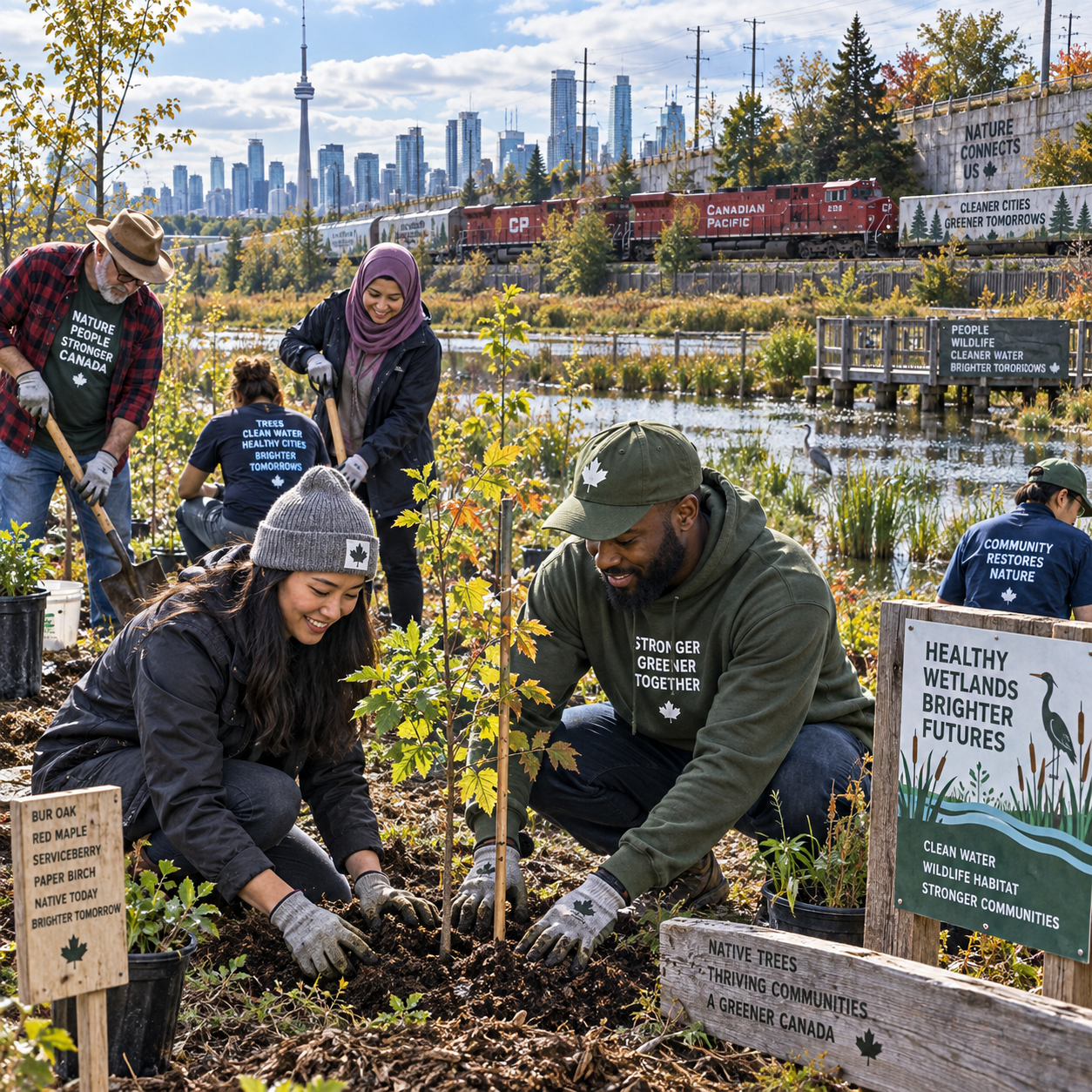
CN’s Green Grant Program connects corporate funding with community-led environmental action across Canada. Its potential value is visible in activities such as tree planting, habitat restoration, pollinator gardens, shoreline improvements, and environmental education. Yet a credible five-year analysis must examine more than the number of grants awarded or seedlings placed in the ground.
The central question is whether funded community environmental projects create lasting ecological benefits. That requires separating reported activities, measurable outputs, and longer-term outcomes while recognizing that projects differ in scale, location, design, and maintenance capacity.
What Is CN’s Green Grant Program?
CN’s Green Grant Program is a community-focused funding initiative associated with CN Rail that supports local environmental and greening projects in Canadian communities. Eligible activities may improve public spaces, restore habitat, increase vegetation, support biodiversity, or build environmental awareness.
The program’s community focus matters because many environmental improvements begin at a highly local level. A municipal park, schoolyard, conservation area, or neighbourhood corridor may not transform regional climate conditions by itself, but it can provide shade, habitat, infiltration, and a place for residents to participate in stewardship.
Typical project categories can include:
- Urban greening: planting trees, shrubs, native grasses, and pollinator-friendly vegetation.
- Tree planting and habitat restoration: rehabilitating degraded sites, riparian edges, wetlands, or naturalized public land.
- Biodiversity initiatives: creating habitat for birds, insects, and other native species.
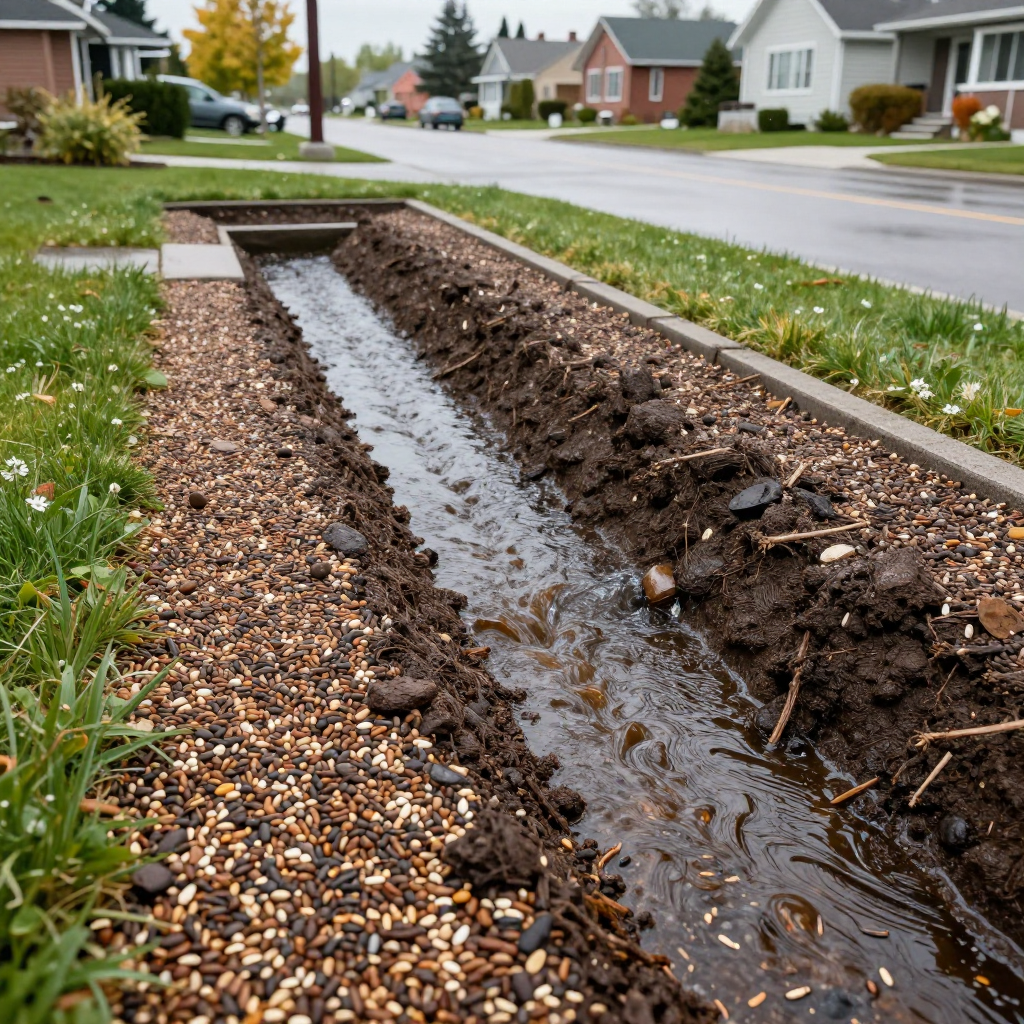
- Stormwater management: using rain gardens, bioswales, permeable areas, and vegetation to slow or absorb runoff.
- Environmental education: engaging students, volunteers, and residents in ecological monitoring and care.
These activities support Canadian sustainability efforts by adding green infrastructure where development, heat, runoff, and habitat fragmentation place pressure on ecosystems. The environmental contribution is usually local and cumulative rather than a direct substitute for large-scale emissions policy or landscape conservation.
How to Evaluate Environmental Impact Over Five Years
To evaluate the environmental impact of CN’s Green Grant Program over five years, track a consistent chain from funded activity to ecological outcome: what was done, what changed, who benefited, and whether the change lasted.
A useful assessment framework is the Activity–Output–Outcome–Durability model. Activities describe the work, outputs count immediate results, outcomes measure environmental change, and durability tests whether benefits continue.
1. Record activities and outputs
Annual reporting should document project location, site type, dates, partners, budget, volunteer participation, area treated, trees planted, and plants established. These figures are useful, but they are only the starting point. A tree planted is an output; a healthy, surviving canopy is a longer-term outcome.
2. Measure ecological outcomes
Projects should select indicators that match their purpose. Relevant measures include:
- Tree survival after one, three, and five years.
- Area of habitat restored or improved.
- Native plant coverage and species diversity.
- Pollinator, bird, amphibian, or aquatic species observations.
- Stormwater volume infiltrated, detained, or redirected where monitoring is feasible.
- Soil condition, erosion reduction, or streambank stability.
- Communities, schools, and residents reached through participation or education.
Carbon sequestration can be included, but estimates should remain cautious. Young trees absorb carbon gradually, and results depend on species, survival, growth, soil, climate, and future maintenance. A five-year review should therefore report assumptions rather than presenting an unsupported carbon total.
For broader guidance on ecosystem services and biodiversity measurement, communities can consult resources from Environment and Climate Change Canada.
Key Environmental Benefits of Funded Projects
Funded community greening projects can improve urban cooling, carbon storage, soil health, stormwater control, and ecological resilience, although the size of each benefit depends on project design and site conditions.
Urban cooling and carbon storage
Vegetation shades pavement and buildings, releases moisture through evapotranspiration, and can reduce localized heat exposure. Larger trees generally provide greater long-term canopy benefits than newly planted trees, but young plantings establish the foundation for future shade.
Tree planting also supports carbon sequestration. The most defensible five-year approach is to track surviving trees, species, trunk growth, and canopy development. Carbon models may supplement those records, but they should not replace field verification or imply carbon neutrality.
Habitat, biodiversity, and soil health
Native plants can provide food, shelter, nesting sites, and movement opportunities for local wildlife. A diverse planting palette is usually more resilient than a single-species landscape, particularly when drought, pests, or disease affect one species.
Habitat restoration can also improve soil structure. Roots reduce erosion, organic matter supports soil organisms, and ground cover protects bare surfaces. These gains may appear slowly, especially on compacted or contaminated sites, so baseline soil information and repeat observations strengthen the analysis.
Stormwater management
Rain gardens, vegetated swales, wetlands, and restored stream margins can slow runoff and encourage infiltration. This may reduce ponding, erosion, and pollutant transport during ordinary rainfall events. Performance varies with soil type, drainage design, maintenance, and the intensity of storms.
Choosing green infrastructure for water management means accepting that it requires space and periodic upkeep. A rain garden filled with invasive plants or clogged with sediment may deliver far less benefit than its original design promised.
Community Greening and Local Ecological Outcomes
Community greening creates the strongest long-term value when residents help design, plant, monitor, and maintain projects rather than treating funding as a one-day installation budget.
Participation can improve environmental knowledge and build local stewardship. Students may learn to identify native species, volunteers may monitor tree survival, and neighbourhood groups may report invasive plants or irrigation problems before a site deteriorates.
Public access also matters. A restored park, shaded walking route, or pollinator garden can make ecological infrastructure visible and useful. Those social benefits do not prove ecological success, but they can increase the likelihood that a project receives care after the grant period ends.
A practical community scorecard should combine four dimensions:
- Ecology: habitat quality, native species, survival, water, and soil indicators.
- People: volunteers, schools, Indigenous and local partners, and residents reached.
- Place: accessibility, public use, connectivity, and relationship to nearby natural areas.
- Stewardship: maintenance plans, responsible organizations, funding, and monitoring commitments.
This approach prevents a common mistake: treating participation numbers as proof of environmental improvement. Volunteers are an important enabling factor, while habitat condition and persistence are the ecological evidence.
Challenges in Measuring the Program’s Impact
The main challenge in measuring the program’s impact is that projects have different objectives, baselines, habitats, and reporting methods, making simple five-year totals difficult to compare.
A tree planting project, wetland restoration, school garden, and shoreline stabilization effort should not be judged by the same single metric. Each needs a small set of indicators linked to its stated environmental purpose.
Outputs are not outcomes
Counting planted trees, volunteer hours, or educational events is straightforward. Determining whether trees survived, habitat improved, or runoff declined requires follow-up. Without that evidence, a grant report may describe activity without demonstrating ecological change.
Benefits take time
Some outcomes emerge after five years, while others take decades. A newly planted woodland may show strong establishment but limited canopy, shade, or carbon storage. Conversely, removing invasive species from an existing habitat may produce visible benefits sooner.
Maintenance affects results
Watering, mulching, pruning, invasive-species control, replacement planting, and litter removal can determine whether a project succeeds. If maintenance responsibility is unclear, initial spending may produce a short-lived result.
Attribution requires care
Weather, municipal investment, nearby development, land-use change, and other conservation programs also influence outcomes. A transparent report should say that the CN Green Grant Program contributed to a project rather than claiming it caused every observed environmental change.
A Five-Year Assessment Framework for Transparency
A transparent five-year assessment should establish a baseline, use annual indicators, verify conditions at follow-up points, and publish both achievements and limitations.
Before work begins, each project should record site area, existing vegetation, soil and drainage conditions, habitat type, invasive species, and relevant community context. The project plan should then define targets that are specific enough to revisit.
Annual reporting can be organized as follows:
- Year one: confirm installation, species, area, partners, and baseline conditions.
- Year two: assess establishment, watering, replacement needs, and early maintenance issues.
- Year three: measure survival, native coverage, habitat use, soil or water indicators, and community participation.
- Year four: review ecological trends, stewardship capacity, and any changes in site conditions.
- Year five: compare results with the baseline and report outcomes, uncertainties, lessons, and next actions.
Reports should distinguish verified measurements from estimates. Photographs from fixed locations, geotagged planting records, survival surveys, species lists, and simple rain-event observations can improve credibility without imposing expensive research requirements on small organizations.
Qualitative evidence also has a place. Interviews with community partners can reveal whether residents use the space, whether maintenance arrangements work, and whether the project has influenced future stewardship. That information complements, rather than replaces, ecological monitoring.
What the Program’s Next Five Years Could Prioritize
Over the next five years, the program could increase environmental value by prioritizing native species, habitat connectivity, climate resilience, maintenance funding, and consistent impact reporting.
Habitat connectivity deserves particular attention. Small green spaces become more valuable when they connect parks, waterways, ravines, wetlands, and other habitat patches. Grant criteria could favour projects that close gaps in local ecological corridors.
Native and climate-resilient planting should be selected together. Species must suit local soil, moisture, winter conditions, and projected heat, while avoiding the assumption that every non-native plant is automatically harmful or that every native species fits every site.
Maintenance grants or multi-year agreements could protect early investments. A modest follow-up budget for watering, invasive control, replacement planting, and monitoring may produce greater five-year value than funding installation alone.
The program could also publish an anonymized annual dashboard covering:
- Projects funded and geographic distribution.
- Area restored or naturalized.
- Tree and shrub survival rates.
- Native plant coverage and habitat indicators.
- Stormwater features installed and monitored.
- Volunteer, school, and community participation.
- Maintenance status and follow-up completion.
On the available evidence, a responsible conclusion is measured rather than sweeping: CN Rail’s community grants have the potential to support meaningful local environmental improvements, but the program’s true five-year impact depends on project quality, survival, ecological monitoring, and continued stewardship. Transparent reporting can show where community greening delivers durable benefits and where future funding should be adjusted.
Frequently Asked Questions
What is CN’s Green Grant Program?
CN’s Green Grant Program is a community-oriented funding initiative that supports local environmental projects, including urban greening, habitat restoration, biodiversity activities, and environmental education in Canadian communities.
What types of environmental projects can the grants support?
Potential projects include tree planting, native gardens, pollinator habitat, wetland or shoreline restoration, stormwater features, naturalization, ecological education, and community stewardship activities, subject to the program’s current eligibility rules.
Which metrics best measure a community greening project’s impact?
The most useful metrics depend on the project, but commonly include area improved, tree survival, native plant coverage, biodiversity observations, soil condition, stormwater performance, community participation, and maintenance status.
Why is long-term maintenance important to environmental outcomes?
Maintenance supports tree survival, controls invasive species, protects drainage functions, and preserves habitat quality. Without it, a project may meet its installation target while losing much of its environmental value within a few years.
How can communities report the results of funded projects?
Communities can combine baseline records, annual photographs, planting inventories, survival counts, habitat observations, stormwater notes, volunteer logs, and partner feedback. Reports should identify measurement methods and clearly separate confirmed results from projections.